Profile
Dock Ellis
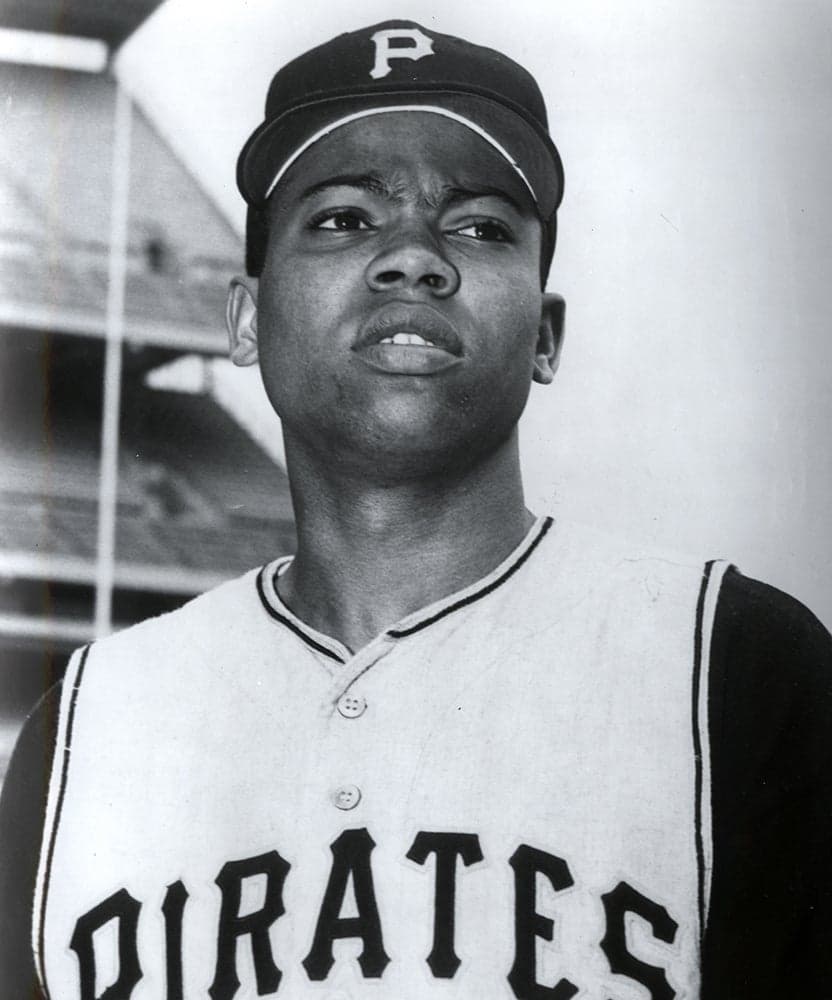
Dock Ellis portrait in Pittsburgh Pirates uniform.
Photo credit: National Baseball Hall of Fame and Museum via Baseball Hall of Fame
Dock Phillip Ellis Jr. pitched twelve seasons in the major leagues, won 138 games, started a World Series game, and became one of the most outspoken voices in baseball during the civil rights era. He is remembered most for throwing a no-hitter on June 12, 1970, while, by his own account, under the influence of LSD. That story is true and well-documented, but reducing Ellis to one game he pitched on LSD misses the fuller picture of a complicated, confrontational, and eventually redemptive life.
Pittsburgh's Ace
Ellis grew up in Los Angeles, and the Pittsburgh Pirates signed him in 1964. He reached the majors in 1968 and quickly established himself as a talented and volatile presence. He went 11-17 in 1969 and 13-10 in 1970 as the Pirates improved. His best statistical season was 1971, when he went 19-9 with a 3.06 ERA and started Game 1 of the World Series against the Baltimore Orioles. The Pirates won that Series in seven games, with Roberto Clemente earning MVP honors while Ellis anchored the rotation.
Ellis worked as co-ace alongside Steve Blass on a Pirates team that won five division titles between 1970 and 1975. He threw hard, worked inside, and made no effort to win favor with opposing hitters.
June 12, 1970
The story, as Ellis told it many times in later years, goes like this. He was at a friend's house in Los Angeles on a Friday, believed it was Thursday, and took a dose of LSD. When a friend informed him he was scheduled to pitch that day in San Diego, he flew to the stadium and took the mound against the Padres. He walked eight batters, hit one, and threw the ball wildly enough that catcher Jerry May had difficulty tracking his pitches. He also didn't allow a single hit. The Pirates won 2-0.
Ellis described the experience in vivid terms in interviews, recalling that the ball felt enormous in his hand, that he could not always see the batter, and that at one point he believed Richard Nixon was the home plate umpire. ## Confrontation as Policy
Ellis wore hair curlers on the mound during warmups, challenged baseball's conservative dress codes, and fought publicly with management over what he saw as the sport's racial hypocrisy. On May 1, 1974, against the Cincinnati Reds, he announced his intention to hit every batter in their lineup. He hit the first three batters he faced (Pete Rose, Joe Morgan, and Dan Driessen), walked the fourth (Tony Perez), and threw at Johnny Bench before manager Danny Murtaugh pulled him. He later said he was making a point about intimidation and respect.
He was traded from Pittsburgh to the Yankees after the 1975 season and bounced through four more teams before retiring in 1979. His career record was 138-119 with a 3.46 ERA.
Recovery and Reckoning
After his playing career, Ellis confronted his drug and alcohol addictions. He entered treatment, got sober, and became a certified addiction counselor, spending the rest of his life working with other addicts in recovery programs. He was open about the damage his substance abuse had caused and equally open about the racism he had experienced in professional baseball.
Ellis died on December 19, 2008, in Los Angeles, at age 63. His legacy splits along predictable lines. The LSD no-hitter story gets the attention, and it is a remarkable event. But the years he spent helping other people recover from addiction, often at his own expense and without public recognition, tell you more about who Dock Ellis became than one game in San Diego ever could.