Dock Ellis, June 12, 1970
Dock Ellis threw a no-hitter in San Diego on June 12, 1970, in a game he later said he pitched under LSD. The stat line is real, and so is the complicated life around it.
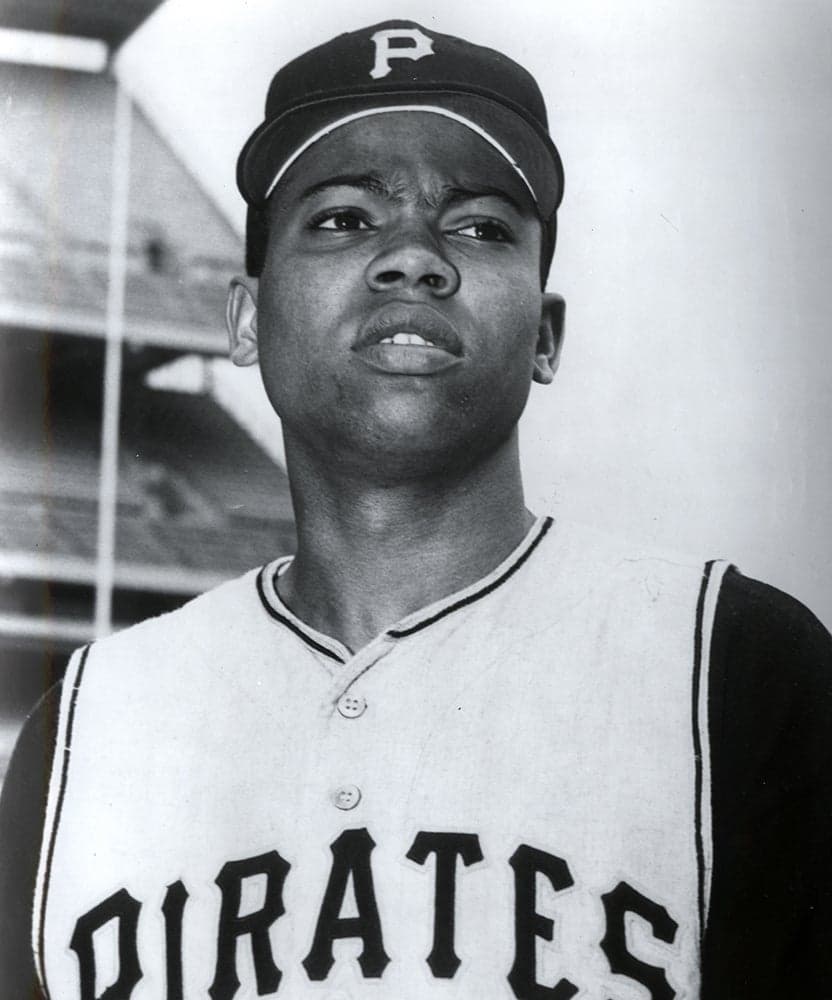
Dock Ellis portrait in Pittsburgh Pirates uniform.
Photo credit: National Baseball Hall of Fame and Museum via Baseball Hall of Fame
The box score is straightforward. June 12, 1970. Pittsburgh at San Diego. Pirates 2, Padres 0. No hits.
Everything around that line gets complicated fast.
Dock Ellis later said he took LSD earlier that day after losing track of the schedule, then flew to San Diego and pitched anyway. In SABR's account, he described a game that looked and felt distorted from the first inning on. The pitching line backed up the chaos. Nine innings, eight walks, one hit batter, and no hits allowed.
A Game That Became a Myth
The no-hitter became folklore because it looked like it should not be possible. Ellis didn't carve through the Padres with clean command. He fought the strike zone all night. He needed his defense, including a major play by Bill Mazeroski in the seventh, and he needed enough velocity and movement to escape every jam he created.
That combination is part of what makes the game endure. Ellis survived pitch to pitch with zero margin.
The Rest of the Pitcher
Reducing Ellis to one night does him a disservice. Baseball-Reference shows a career that ran from 1968 to 1979. He won 138 major-league games and became a key arm on a Pirates club that won the 1971 World Series. SABR's biography also records that 1971 season as his peak year, with 19 wins, an All-Star start, and October work on a championship roster.
He was also one of the more outspoken players of his era, especially on race, labor, and clubhouse culture. Ellis spoke bluntly where baseball preferred silence, and he took clear sides.
After the Applause
In retirement, Ellis fought addiction and then turned that fight outward, working with people in recovery. It is the least quoted part of his life and maybe the most valuable. The same man who made headlines for chaos spent years doing private work that made no headlines at all.
The no-hitter stays in circulation because it is wild and easy to retell. The fuller version is better. A gifted pitcher, a difficult personality, a championship arm, and a second life spent helping people climb out of the same hole that almost took him.