Effa Manley Ran the Eagles
Effa Manley helped build the Newark Eagles into champions, fought for black baseball in public, and became the first woman elected to the Hall of Fame in 2006.
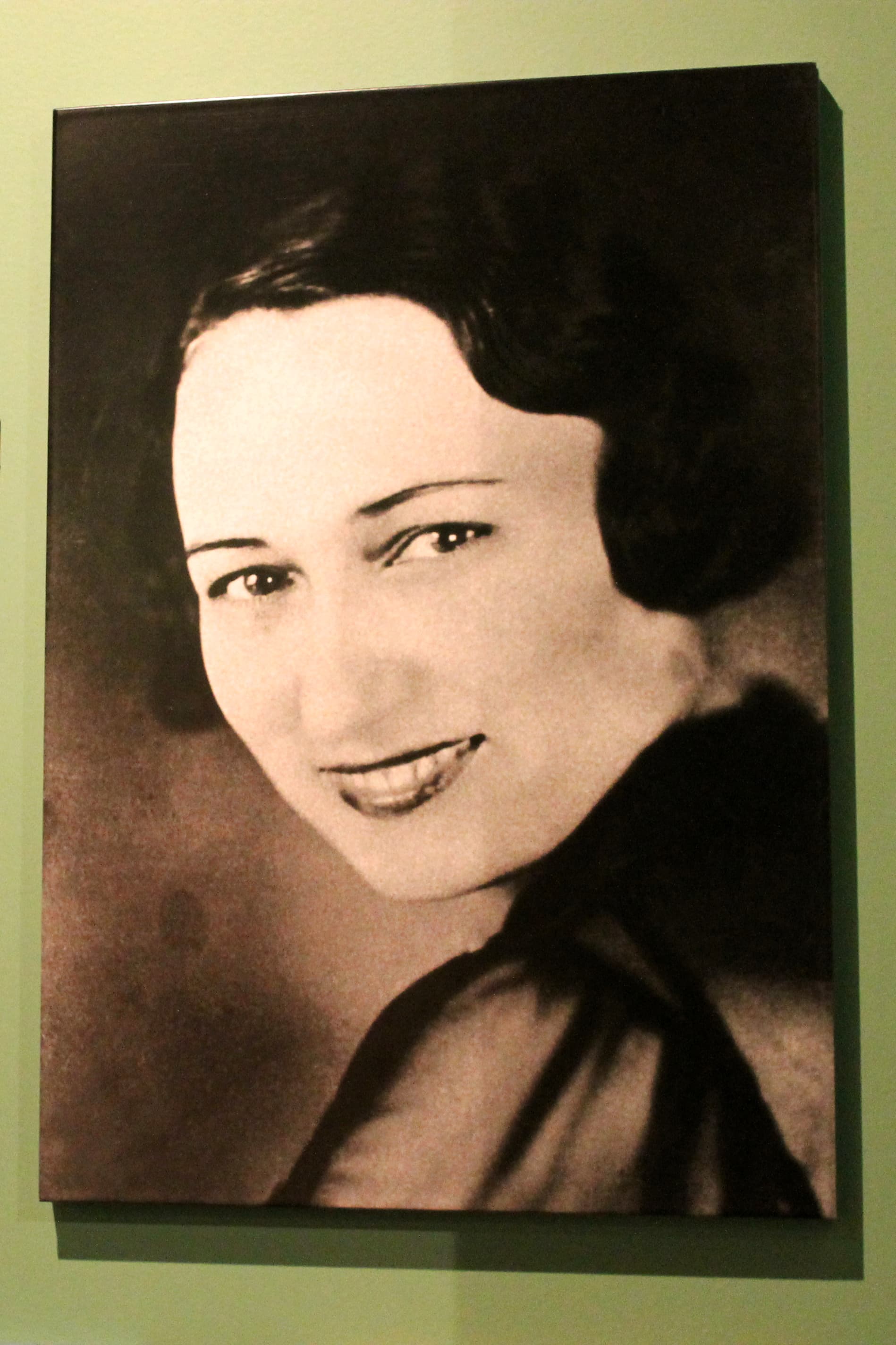
Effa Manley display photograph at the Baseball Hall of Fame.
Photo credit: EricEnfermero via Wikimedia Commons (CC BY-SA 4.0)
Effa Louise Manley was born on March 27, 1897, in Philadelphia. She co-owned the Newark Eagles with her husband Abe Manley from 1935 until she sold the club in 1948, and during those years she ran day-to-day baseball operations with a directness that made her one of the most visible executives in black baseball.
Her racial identity was complex. Manley was born to a white mother, Bertha Ford Brooks, and a white biological father, but she identified as black throughout her life and was perceived as black by everyone who knew her. That identity was not incidental to her work. It was the foundation of it.
Building the Eagles
The Manleys originally operated a team in Brooklyn before relocating to Newark in 1936. Effa handled contracts, travel schedules, promotion, and much of the league's administrative work while Abe served as treasurer of the Negro National League. SABR's biography describes her gaining rapid recognition across the league for her ability to promote the team and manage its operations.
By the mid-1940s, the Eagles had become one of black baseball's premier organizations.
1946 and the Championship
The 1946 Newark Eagles finished the season 56-24-3 and drew the best home attendance in franchise history at 120,092, generating a profit of $25,000 for the Manleys. The roster included four future Hall of Famers: pitcher Leon Day, outfielder Larry Doby, outfielder Monte Irvin, and catcher Biz Mackey. That fall, the Eagles won the Negro League World Series, defeating the Kansas City Monarchs in seven games.
The championship was the clearest on-field proof that the Manleys had built a first-rate operation from scouting through game management.
The Fight Over Larry Doby
In July 1947, Bill Veeck's Cleveland Indians signed Larry Doby, making him the second black player in the modern major leagues, just months after Jackie Robinson's debut with Brooklyn. Manley pushed Cleveland for compensation. Her argument was specific and economic. Major league teams were taking developed talent from black-owned clubs that had invested in scouting, training, and marketing those players. The Negro League clubs received nothing in return.
According to Hall of Fame and SABR accounts, Manley's pressure helped establish a compensation precedent, though enforcement remained uneven. In a period when most Negro League owners accepted the losses quietly, she refused.
Off the Field
Manley's civil rights work predated her involvement in baseball. In 1934, as part of the Citizens' League for Fair Play, she joined a boycott of stores in Harlem that refused to hire black salesclerks, part of the broader "Don't Buy Where You Can't Work" campaign. She later supported anti-lynching efforts and organized charitable work for black servicemen during World War II.
Her baseball career and her activism were not separate tracks. The Eagles' platform gave her visibility, and she used it.
Hall of Fame, 2006
On February 27, 2006, the Baseball Hall of Fame's Special Committee on Negro Leagues elected 17 candidates from a pool of 39 names. Effa Manley was among them. She became the first woman elected to the Hall of Fame, and as of 2024 remains the only one.
The committee, composed of 12 Negro Leagues historians and scholars, recognized her baseball leadership and her civil rights advocacy together. The plaque in Cooperstown treats both as part of the same career, which is how Manley lived it.
She died on April 16, 1981, in Los Angeles, 25 years before the recognition arrived.