Profile
Willie Stargell
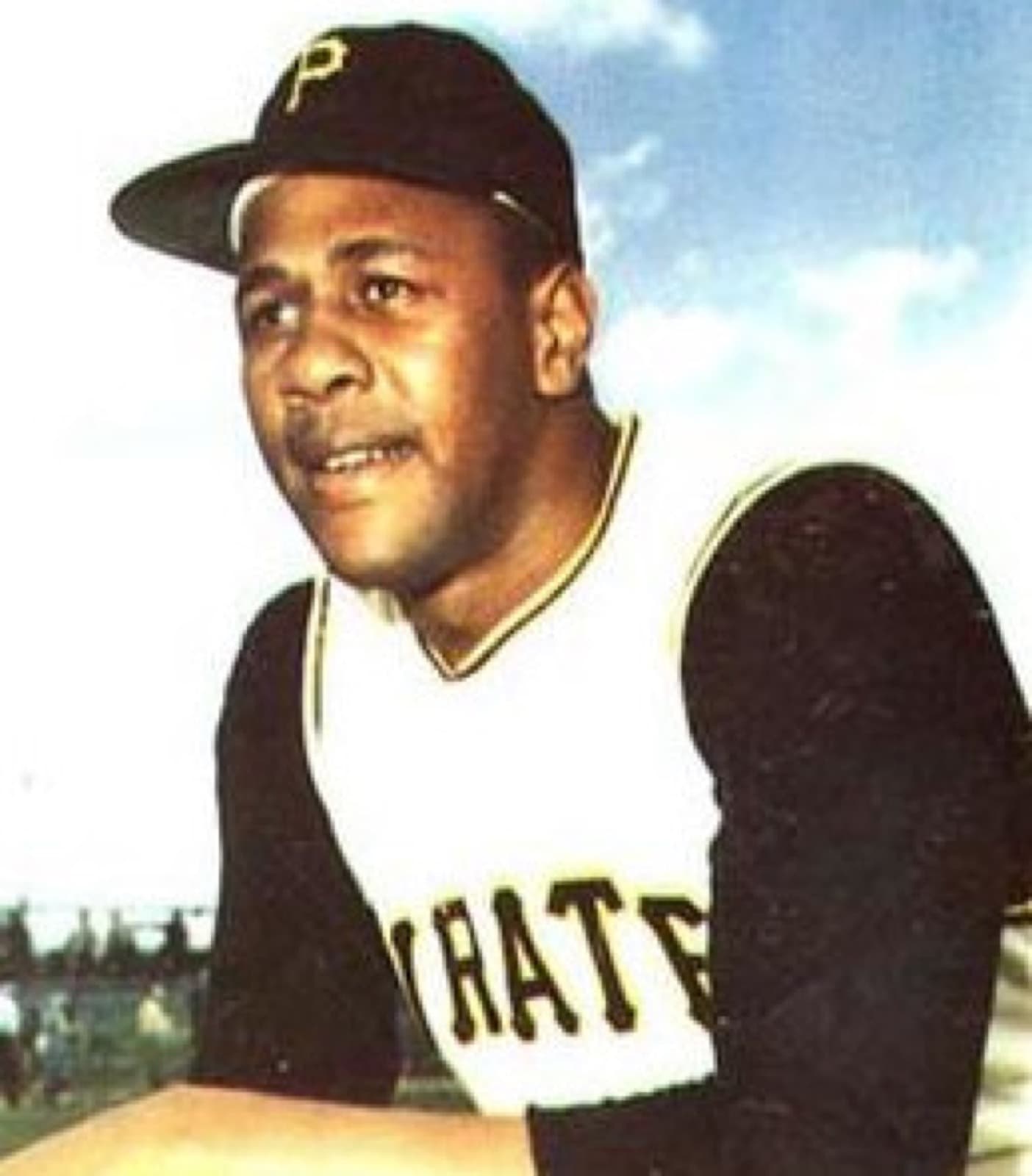
Willie Stargell with the Pittsburgh Pirates, 1966.
Photo credit: Unknown author via Wikimedia Commons (Public domain)
Wilver Dornel Stargell hit 475 home runs across 21 seasons for the Pittsburgh Pirates, all of them delivered with a swing his teammates described as effortlessly violent, like a man cracking a whip. Don Sutton of the Dodgers summarized what it felt like to be on the wrong end. "He didn't just hit pitchers. He took away their dignity." Stargell led the majors with 296 home runs during the 1970s, hit seven balls over the right field roof at Forbes Field, hit the first home run ever struck completely out of Dodger Stadium, led the 1979 "We Are Family" Pirates to a World Series championship at 39, and became the only player in history to win the regular season MVP, the NLCS MVP, and the World Series MVP in the same year. Chuck Tanner, his manager, said, "Having him on your ball club is like having a diamond ring on your finger." The BBWAA elected Stargell to the Hall of Fame in 1988 on his first ballot, on 82.4 percent of the vote.
Earlsboro
Stargell was born on March 6, 1940, in Earlsboro, Oklahoma. His father William abandoned the family before he was born, and they did not meet until Stargell was 19. His grandfather, biracial with an enslaved father and a Seminole mother, raised him until his mother Gladys remarried and moved the family through a series of homes, including a stretch with an aunt in Orlando that Stargell remembered as harsh. The family eventually settled in the projects near Oakland, California, and Stargell attended Encinal High School in Alameda.
Pirates scout Bob Zuk signed him in August 1958 for $1,500, and the minor leagues in the segregated South tested Stargell in ways that went beyond baseball. In Plainview, Texas, during the 1959 season, a man walked up to him with a gun and said, "Nigger, if you play in that game tonight, I'll blow your brains out." Stargell played. He later said the experience "made me a man" and strengthened his resolve to escape poverty through the game.
Pops
Stargell reached Pittsburgh in 1962 and spent his first eight seasons at Forbes Field, a park so enormous (436 feet to center, 408 to right center) that Roberto Clemente estimated Stargell hit "400 fly balls to the warning track" that would have been home runs elsewhere. "I could have hit 600 home runs had I played my entire career somewhere other than gargantuan Forbes Field," Stargell said. Even so, he hit seven of the 18 balls ever cleared over the 86-foot right field stands in the park's 61 years of existence.
On August 5, 1969, Stargell hit the first home run to leave Dodger Stadium entirely, a curveball from Alan Foster that cleared the 50-foot right field pavilion and traveled an estimated 500 feet into the parking lot. He did it again on May 8, 1973. When the Pirates moved to Three Rivers Stadium in 1970, Stargell hit four of the seven home runs that ever reached the upper deck. On May 20, 1978, he hit a ball in Montreal measured at 535 feet, the only fair ball to reach the upper deck at Olympic Stadium. The Expos commemorated it by painting the seat yellow in Pirates colors.
Stargell led the league with 48 home runs in 1971 and 44 in 1973, and in 1969 Clemente advised him to switch to a heavier bat. Teammate Nellie Briles described the result. "Suddenly the holes in his swing were gone. That's when he really got dangerous." Stargell moved from left field to first base in 1975 because of chronic knee problems and spent his final years as a part-time player and pinch hitter.
We Are Family
In 1978, Stargell began awarding small gold stars to teammates for clutch hits, strong pitching, and brilliant defensive plays. Players stuck the stars to their black pillbox caps, and by 1979 the stars had become a symbol of a team that adopted Sister Sledge's "We Are Family" as its anthem. At 39, Stargell hit 32 home runs during the regular season and shared the NL MVP with Keith Hernandez of the Cardinals, the only tie vote in the award's history. In the NLCS he batted .455 as the Pirates swept Cincinnati. In the World Series against Baltimore, trailing three games to one, the Pirates rallied to win three straight, and Stargell hit .400 with three home runs, four doubles, and seven RBI, including a decisive two-run homer off Scott McGregor in the sixth inning of Game 7. He won the World Series MVP, making him the only player to sweep all three postseason MVP awards in a single year.
Al Oliver, a teammate, described what it meant to follow Stargell. "If he asked us to jump off the Fort Pitt Bridge, we would ask him what kind of dive he wanted." Phil Garner said of the gold stars, "I don't mind if somebody takes my bat, my glove, or my uniform, but please don't take my stars. I earned those and I deserve them."
Wilmington
Stargell's health declined through the 1990s. Kidney disease required dialysis three times a week beginning in 1996, and chronic hypertension compounded the strain. His final public appearance came in October 2000, when he threw a ceremonial last pitch at Three Rivers Stadium before its demolition. A gold Pirates jersey hung from his shoulders, and his toss barely reached 10 feet to catcher Jason Kendall. The crowd of 55,000 stood.
A statue of Stargell was unveiled outside PNC Park, Pittsburgh's new stadium, just days before its opening game on April 9, 2001. That morning, in a hospital near Wilmington, North Carolina, Stargell suffered a massive stroke and died. He was 61. Steve Blass, who had gone to Stargell's house the morning they learned of Clemente's death on December 31, 1972, said of the morning Stargell himself died, "When we heard about Clemente's death at four o'clock in the morning, I went to Willie's house. I'm not sure where to go this morning." Flowers were laid at the base of the new statue before anyone had entered the park. "It's supposed to be fun," Stargell once said. "The man says 'Play ball,' not 'Work ball,' you know."