Profile
Ford Frick
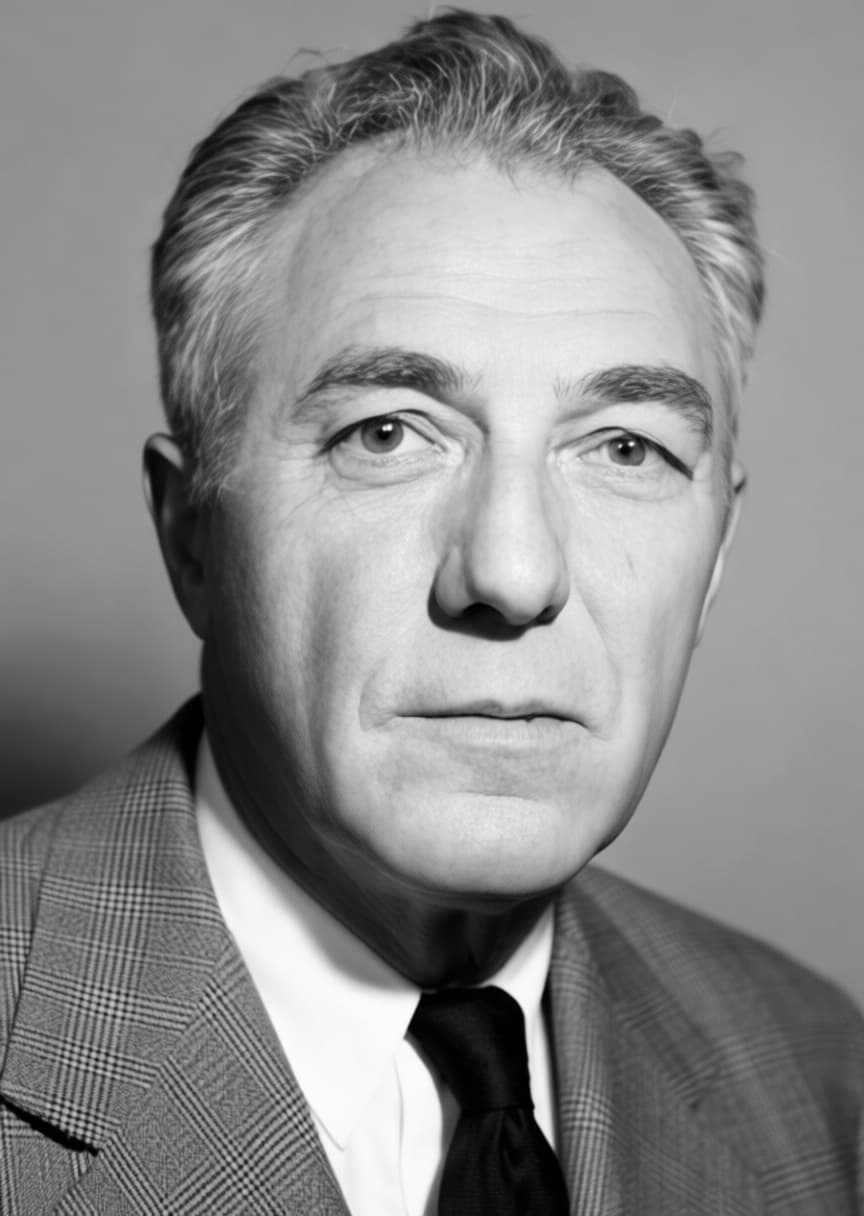
Ford Frick portrait.
Photo credit: J. G. Taylor Spink via Wikimedia Commons (Public domain)
Ford Frick served as the commissioner of baseball from 1951 through 1965, and the era he presided over transformed the game more than any period since the founding of the American League. Franchises moved for the first time in half a century, the major leagues expanded beyond 16 teams, and the game spread west of the Mississippi in ways that reshaped the national geography of professional baseball. He was also the National League president who supported Branch Rickey during the integration crisis of 1947, threatening to suspend players who refused to take the field with Jackie Robinson. The Veterans Committee elected him to the Hall of Fame in 1970.
Indiana
Ford Christopher Frick was born on December 19, 1894, in Wawaka, Indiana, a small town in the northeastern part of the state. He attended DePauw University, where he studied English and played baseball, and he worked as a high school teacher and newspaper reporter before moving to New York in the early 1920s. He became a sportswriter for the Hearst newspapers in New York, working first for the New York American and then the New York Evening Journal, and developed a close friendship with Babe Ruth, ghostwriting a newspaper column under Ruth's name for several years.
National League President
Frick was elected president of the National League in 1934, succeeding John Heydler. He served in the role for 17 years, and his most consequential action came in 1947, when several players on the St. Louis Cardinals reportedly organized a petition to strike rather than play against Robinson. Frick told the players that anyone who went on strike would be suspended, and the threat ended the planned action before it could begin. The extent and organization of the petition has been debated by historians, but Frick's willingness to use his authority on behalf of integration was clear.
Commissioner
Frick succeeded Happy Chandler as commissioner in September 1951 and served until his retirement in November 1965. His tenure coincided with the most significant structural changes in baseball since the early 1900s. The Boston Braves moved to Milwaukee in 1953, the St. Louis Browns became the Baltimore Orioles in 1954, the Philadelphia Athletics relocated to Kansas City in 1955, and the Brooklyn Dodgers and New York Giants left for California after the 1957 season. Frick did not initiate these moves, but he permitted them, and the westward migration of franchises changed the footprint of professional baseball permanently.
The expansion of the major leagues from 16 teams to 20 began during Frick's tenure, with the addition of the Los Angeles Angels, new Washington Senators, Houston Colt .45s, and New York Mets between 1961 and 1962. He also oversaw the expansion of the regular season schedule from 154 games to 162, a change that created the context for the most controversial decision of his commissionership.
When Roger Maris hit 61 home runs in 1961, breaking Ruth's single-season record, Frick ruled that records set in the expanded 162-game schedule should be distinguished from records set in the old 154-game format. The ruling was widely interpreted as an attempt to protect Ruth's legacy, and it became known as the "asterisk" decision, although Frick never actually called for an asterisk. The distinction remained in place for decades and colored the public perception of Maris's achievement for the rest of his life.
Later Years
Frick retired from the commissionership in November 1965 and was succeeded by William Eckert. The Veterans Committee elected him to the Hall of Fame in 1970. He died on April 8, 1978, in Bronxville, New York, at 83.